Archives
- 2026-06
- 2026-05
- 2026-04
- 2026-03
- 2026-02
- 2026-01
- 2025-12
- 2025-11
- 2025-10
- 2025-09
- 2025-03
- 2025-02
- 2025-01
- 2024-12
- 2024-11
- 2024-10
- 2024-09
- 2024-08
- 2024-07
- 2024-06
- 2024-05
- 2024-04
- 2024-03
- 2024-02
- 2024-01
- 2023-12
- 2023-11
- 2023-10
- 2023-09
- 2023-08
- 2023-07
- 2023-06
- 2023-05
- 2023-04
- 2023-03
- 2023-02
- 2023-01
- 2022-12
- 2022-11
- 2022-10
- 2022-09
- 2022-08
- 2022-07
- 2022-06
- 2022-05
- 2022-04
- 2022-03
- 2022-02
- 2022-01
- 2021-12
- 2021-11
- 2021-10
- 2021-09
- 2021-08
- 2021-07
- 2021-06
- 2021-05
- 2021-04
- 2021-03
- 2021-02
- 2021-01
- 2020-12
- 2020-11
- 2020-10
- 2020-09
- 2020-08
- 2020-07
- 2020-06
- 2020-05
- 2020-04
- 2020-03
- 2020-02
- 2020-01
- 2019-12
- 2019-11
- 2019-10
- 2019-09
- 2019-08
- 2019-07
- 2019-06
- 2018-07
-
The Acat gene was identified by
2021-04-01
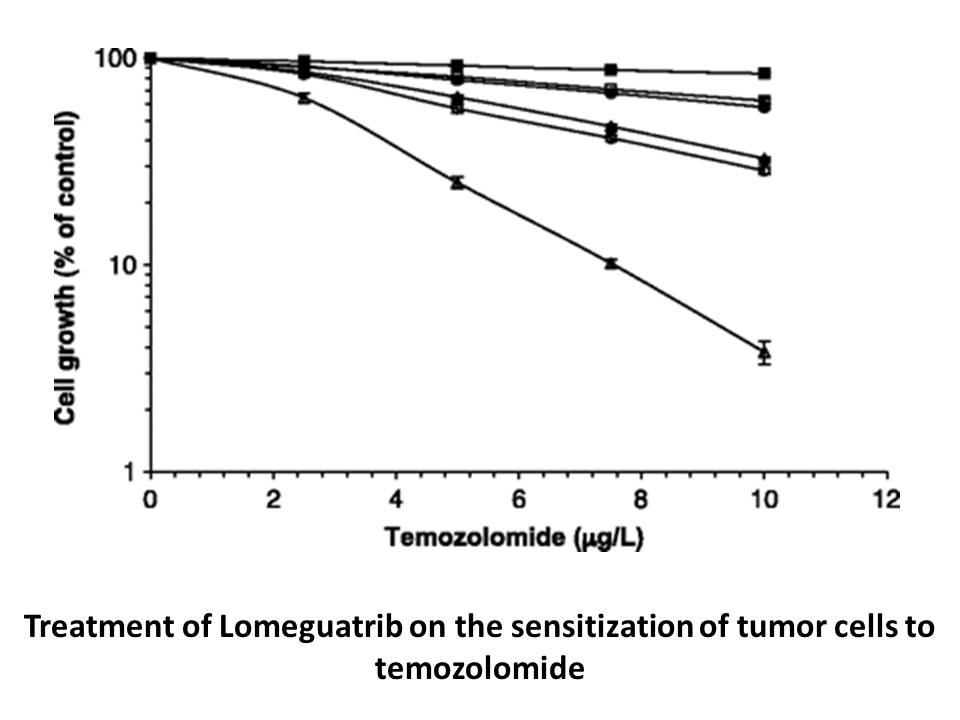
The Acat1 gene was identified by functional complementation of a Chinese hamster ovary cell mutant lacking ACAT activity [12]. Unlike most other genes, human Acat1 is located in two different chromosomes, AZ20 1 and 7, with each site containing a distinct promoter: chromosome 1 contains exons 1–16,
-
Here we report that ILC s sensed
2021-04-01

Here, we report that ILC3s sensed oxysterols through GPR183, which was highly expressed by LTi-like ILC3s. 7α,25-OHC-synthesizing enzymes were produced by fibroblastic stromal hcv virus found in intestinal lymphoid structures, and the GPR183 ligand 7α,25-OHC acted as a chemoattractant for ILC3s. GP
-
Our data furthermore suggest that Ch
2021-04-01

Our data furthermore suggest that Ch25h-induced oxysterols could play an important role in modulating the immune cell migration. Mechanistically, we observed impaired trafficking of CD44+CD4+ T cells in mice deficient for Ch25h. CD44+CD4+ T cells lacking EBI2, the receptor of 7α-25OHC, were delayed
-
Structure similarity searches were conducted using the stand
2021-04-01
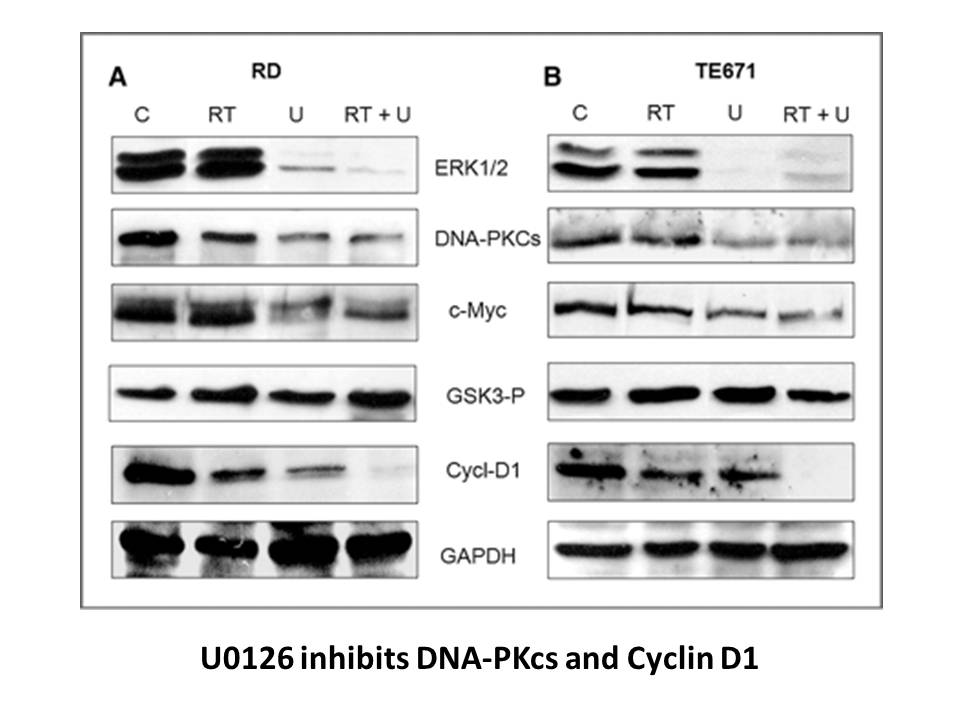
Structure similarity searches were conducted using the standalone version of the DALI program with the query structures scanned against a local current version of the PDB that has all chains as separate entries (Holm and Sander, 1995). The structural hits for each query were collected, even if the D
-
In addition to glutamatergic inputs the RTn integrates
2021-04-01
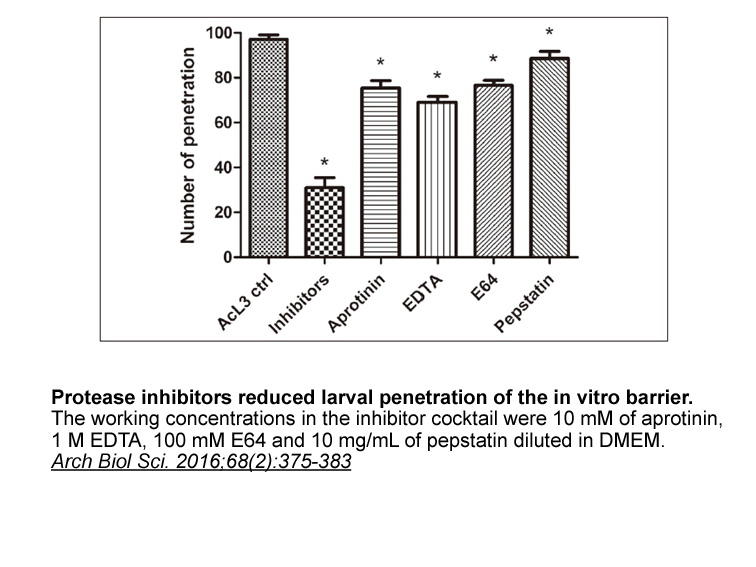
In addition to glutamatergic inputs, the RTn integrates cholinergic, serotonergic and noradrenergic synapses of fibers coming from nuclei located in the brainstem (Asanuma, 1992, Morrison and Foote, 1986, Pare et al., 1988) involved in the alternating firing mode and in the frequency changes of reti
-
We recently described the benzoxazin one analogue of LY and
2021-04-01
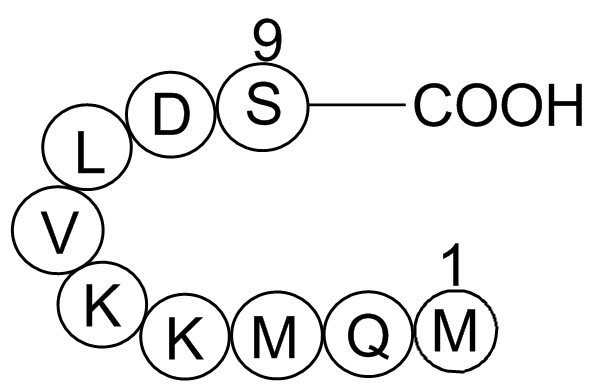
We recently described the 1,3-benzoxazin-4-one analogue of LY294002 and showed it to have pan-PI3K and DNA-PK activity [2]. We have also reported on the activity of other family members, such as 3 which causes sensitization of lung cancer and colon cancer cells to radiation [11] and 4 (LTUSI122) as
-
all trans retinoic acid br Conclusion br Conflict of interes
2021-04-01

Conclusion Conflict of interest Author contributions Acknowledgements Piyamas Kanokwongnuwut was supported by the Development and Promotion of Science and Technology Talent Project (DPST), Royal Thai Government Scholarship. Funding for the work was provided by the Attorney General’s Depa
-
The biological significance of DNA ligases
2021-04-01
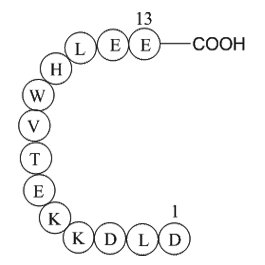
The biological significance of DNA ligases is attributed to their function in DNA replication, recombination and/or DNA repair [1], [2]. In vertebrates, three different DNA ligases I, III and IV are recognized. DNA ligase I is essential for the Okazaki fragments’ ligation during lagging-strand DNA
-
During host cell interactions G intestinalis
2021-03-31
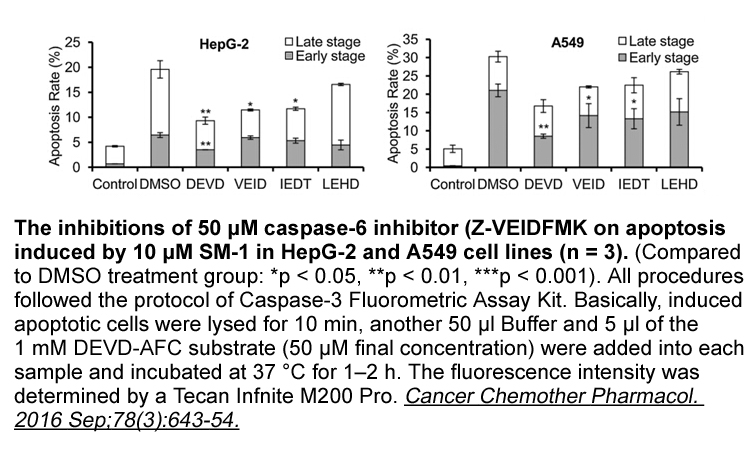
During host-cell interactions, G. intestinalis trophozoites up-regulate several cell-associated proteins, including high-cysteine membrane proteins (HCMPs) and variant surface proteins (VSPs) [8]. The parasite also releases around 200 proteins upon host-cell contact, including many proteases [9,10].
-
Our results implicate a critical role for CXCR in promoting
2021-03-31
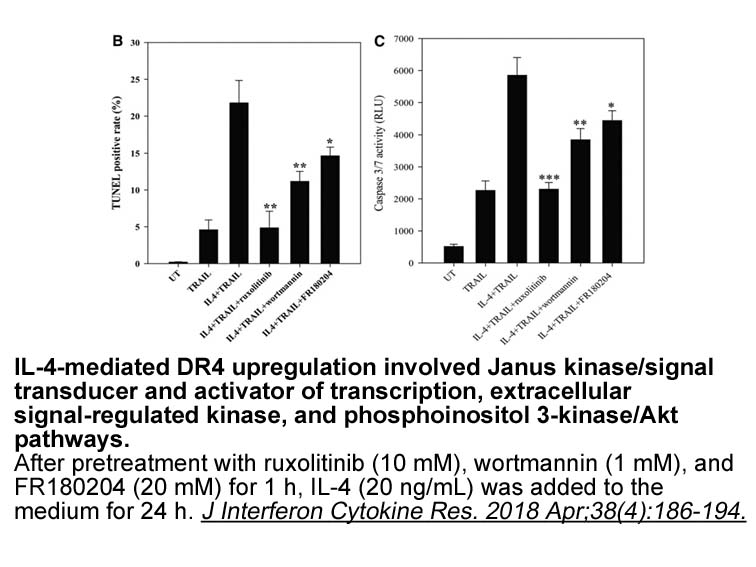
Our results implicate a critical role for CXCR-1 in promoting the migration of colonic tumor cells. Expression of this receptor, but not CXCR-2, increased significantly because of the EMT (Fig. 3). Moreover, although Clone A Hyper Assembly Cloning express comparable levels of both IL-8 receptors, o
-
IKK-16 The classification of CK substrates based on active
2021-03-31
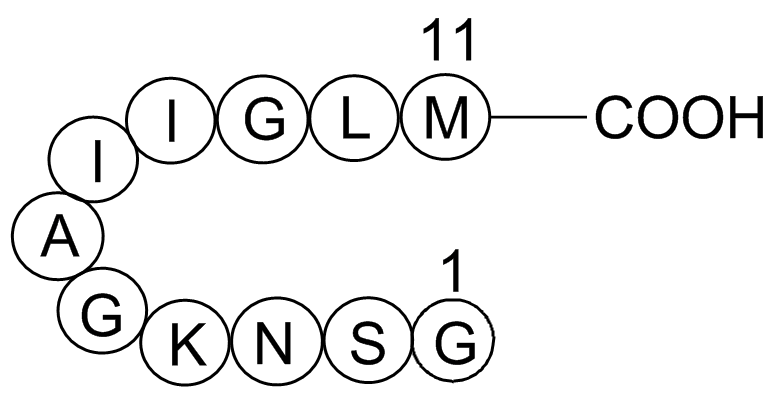
The classification of CK2 substrates based on active enzyme subunit composition provides a framework for understanding the regulatory function of CK2β subunit. However, few experiments exist that functionally explore such classification [17], [18], [19], [20], [21], [22], [23]; this reflects practic
-
The absence of an observable time dependence of kobs on
2021-03-31
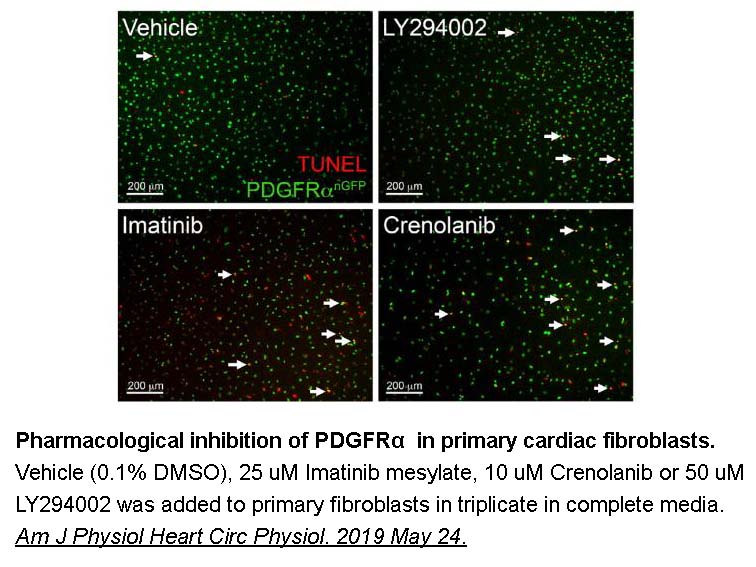
The absence of an observable time dependence of kobs on inhibitor concentration for mk-801 3 with AChE and compounds 1, 3 and 4 with BuChE parallels a similar absence of time dependence for some related fluoro ketones with AChE. Nair et al. found that trifluoromethyl acetophenones with small meta-s
-
We consider the following perturbation
2021-03-31
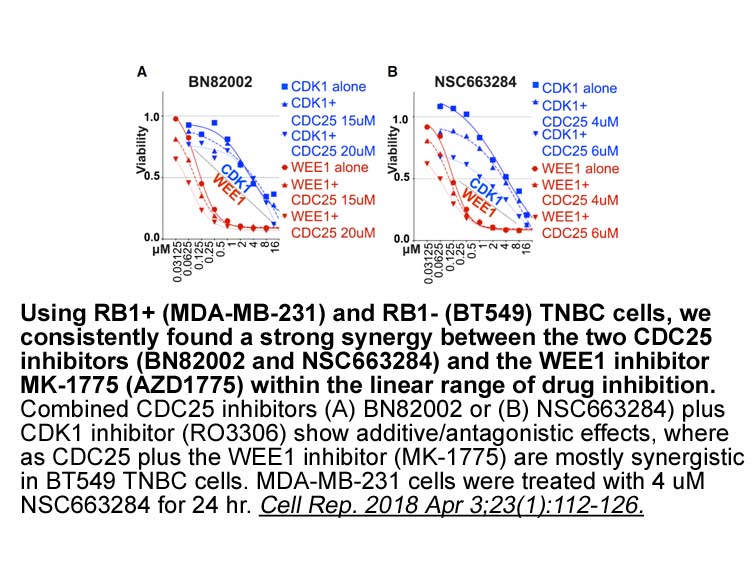
We consider the following perturbation of problem (2):where ∊>0 is an identity element. For a given ∊, we solve problem (3) to get the solution (x, y, λ). As ∊ decreases slowly toward 0, the optimum of F follows to the global optimum of F0. This set of constraint conditions is called the central pat
-
We hypothesize that both IGF dependent kinase activation and
2021-03-31
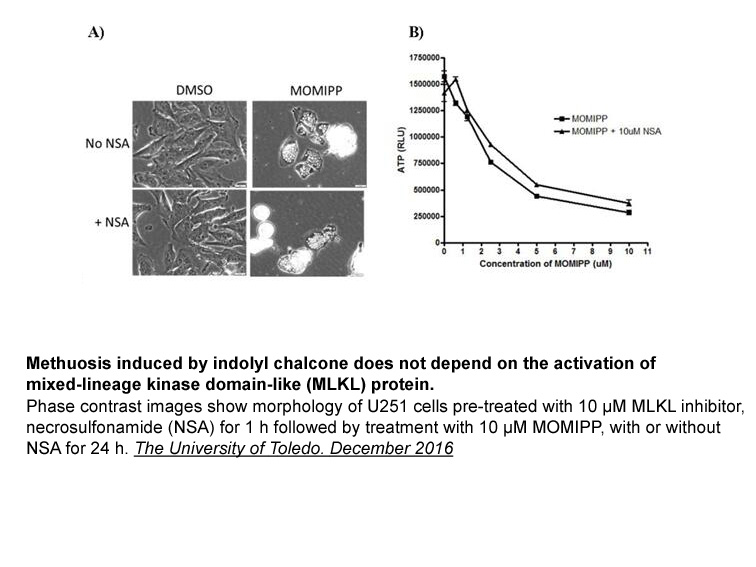
We hypothesize that both IGF-1-dependent kinase activation and locally synthesized neuroestrogens interactively regulate estrogen receptor activity in neuronal CAY10603 in the absence of exogenously applied estradiol. The Neuro-2A cell line was chosen as the model system for these studies because IG
-
In summary we have identified a
2021-03-31
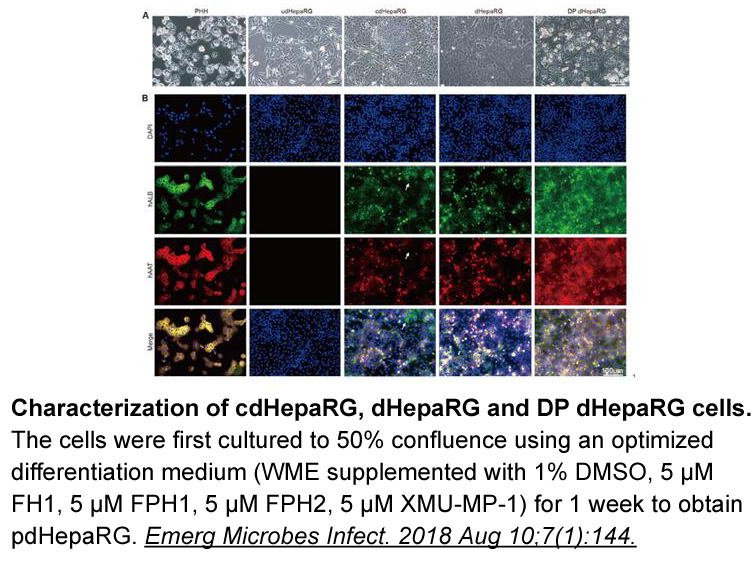
In summary, we have identified a series of amides as ERRγ agonists with suitable potency for further development. Our SAR studies of this chemotype identified SR19881 as the most potent full agonist of ERRγ with an EC=0.39 μM in a binding assay and an EC=4.7 μM in a cell-based assay. SR19881 was als
15696 records 721/1047 page Previous Next First page 上5页 721722723724725 下5页 Last page