Archives
- 2026-10
- 2026-09
- 2026-08
- 2026-07
- 2026-06
- 2026-05
- 2026-04
- 2026-03
- 2026-02
- 2026-01
- 2025-12
- 2025-11
- 2025-10
- 2025-09
- 2025-03
- 2025-02
- 2025-01
- 2024-12
- 2024-11
- 2024-10
- 2024-09
- 2024-08
- 2024-07
- 2024-06
- 2024-05
- 2024-04
- 2024-03
- 2024-02
- 2024-01
- 2023-12
- 2023-11
- 2023-10
- 2023-09
- 2023-08
- 2023-07
- 2023-06
- 2023-05
- 2023-04
- 2023-03
- 2023-02
- 2023-01
- 2022-12
- 2022-11
- 2022-10
- 2022-09
- 2022-08
- 2022-07
- 2022-06
- 2022-05
- 2022-04
- 2022-03
- 2022-02
- 2022-01
RO4956371 Depletion of PI P e
2022-06-18
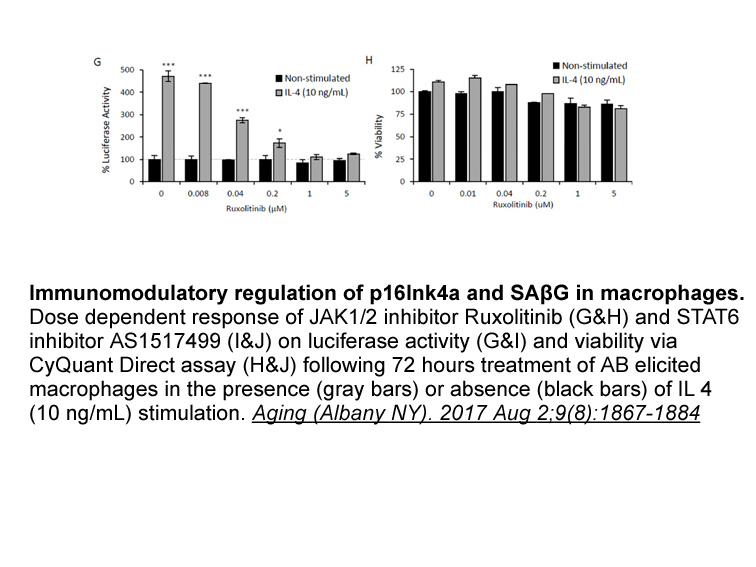
Depletion of PI(4,5)P2, e.g. by knockout of PIPKIγ, also profoundly inhibits SV endocytosis (Di Paolo et al., 2004). Conversely, loss of the PI(4,5)P2-metabolizing PI-phosphatase synaptojanin or its recruitor endophilin stalls SV recycling at the level of clathrin-coated vesicles (Bai et al., 2010,
At baseline Hdc KO mice have alterations in the
2022-06-18
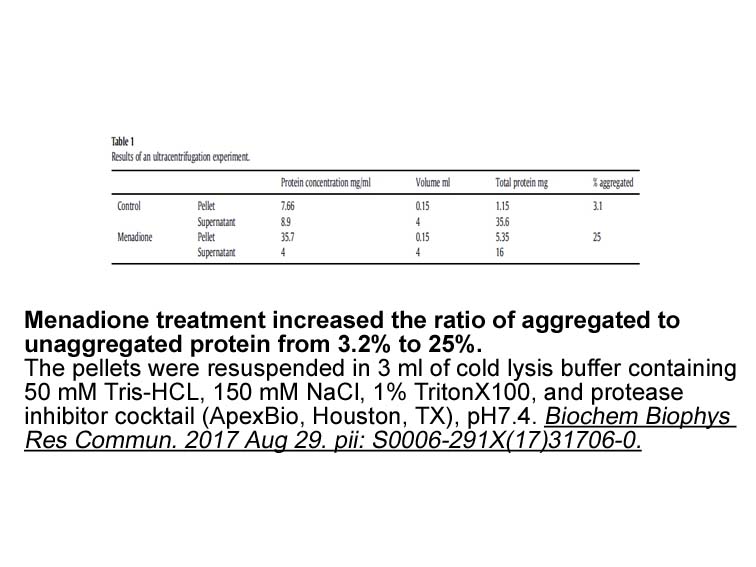
At baseline, Hdc-KO mice have alterations in the examined signaling cascades that resemble those seen in WT mice after RAMH challenge. Specifically, Fumonisin B1 mg of MSK1 at T581 and of rpS6 ad S235/236 are elevated in dMSNs to a similar extent after saline in KO mice and after RAMH challenge in W
br Funding br Conflict of interest statement
2022-06-18
Funding Conflict of interest statement References and recommended reading Papers of particular interest, published within the period of review, have been highlighted as: Acknowledgements Introduction Recent papers have shown that Interferon-free hepatitis C virus (HCV) therapies with
Others demonstrated that Paneth cells maintain stem
2022-06-18
Others demonstrated that Paneth cells maintain stem cell function and crypt homeostasis by providing metabolic lactate to sustain the enhanced mitochondrial oxidative phosphorylation in the Lgr5+ ISCs (Rodriguez-Colman et al., 2017), which substantially agrees with our findings in this study. Furthe
Introduction Non alcoholic hepatic steatosis is characterize
2022-06-17
Introduction Non-alcoholic hepatic steatosis is characterized by the presence of steatosis in hepatocytes [1], which leads to the development of fatty liver [2]. It is strongly associated with obesity, insulin resistance, and type II diabetes [3]. They are major risk factors of non-alcoholic hepati
br Methods and materials br Results To examine the
2022-06-17
Methods and materials Results To examine the fear conditioning effects of the pre-exposure, drug, and sex factors in the total latency time, a 2 × 3 × 2 three-way ANOVA indicated that WZ811 significant differences occurred in the drug (F2109 = 14.44, p 0.05) and pre-exposure × sex (F1109 = 0
In the present study we characterized the expression of gluc
2022-06-17
In the present study, we characterized the expression of glucose transporters in the developing and adult mouse lens and showed that GLUT1 is the primary transporter expressed in the lens epithelium. We found that mice with a homozygous deletion of Slc2a1 from the lens epithelium developed cataracts
It was previously proposed that glucagon acts in the liver
2022-06-17
It was previously proposed that glucagon acts in the liver, in which a signal is produced and relayed to the Amfenac Sodium Monohydrate via vagal nerves [8], [36], [37]. The concept that the liver is the primary target site was supported by the studies reporting that the glucagon receptor is localiz
br Gap junctions hemichannels and connexins Molecular charac
2022-06-17
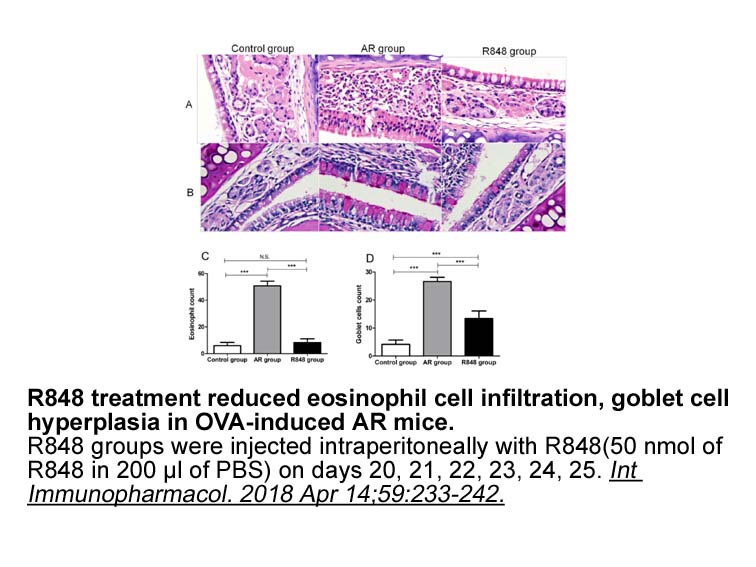
Gap junctions, hemichannels and connexins: Molecular characteristics and function Cell-to-cell communication is of extreme importance in tissue homeostasis, which is maintained by transmission of regulatory signals (Fig. 1). Intercellular communication via gap junctions (GJs) represents one of th
Comparison of dlGALRs deduced amino acid
2022-06-17
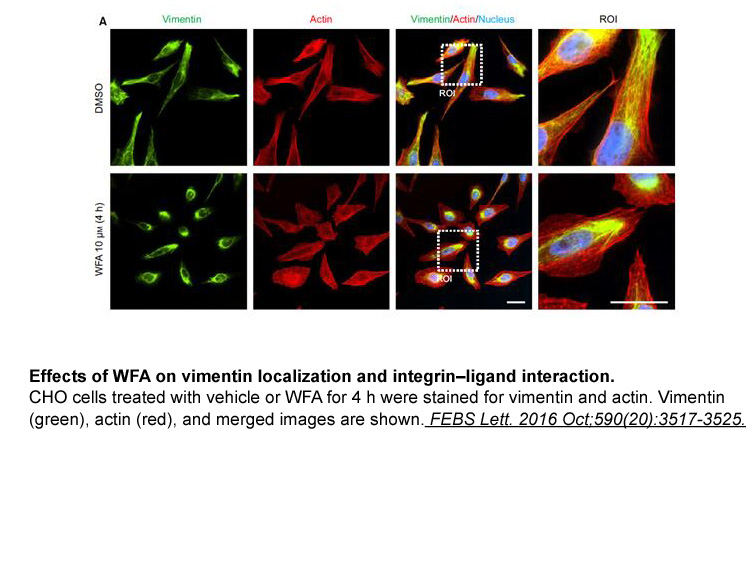
Comparison of dlGALRs deduced amino px12 synthesis sequences with that of human GALRs demonstrate that the GALR1 ortholog sequences have diverged less than those of GALR2. Since often duplicate genes undergo divergent evolution through sub-functionalization, loss or gain of new functions (Prince an
br Introduction More than structurally different isoprenoids
2022-06-17
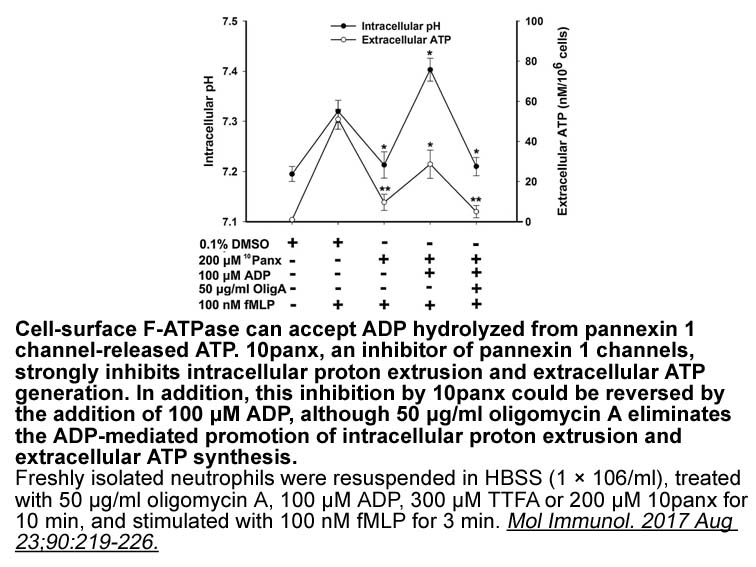
Introduction More than 30,000 structurally different isoprenoids, such as steroids, carotenoids, prenyl side-chain of quinones, prenyl proteins, and natural rubber, exist in nature. In a biosynthetic pathway, linear prenyl diphosphates are common structures as a precursor of isoprenoids, as shown
This SAR work led to
2022-06-17
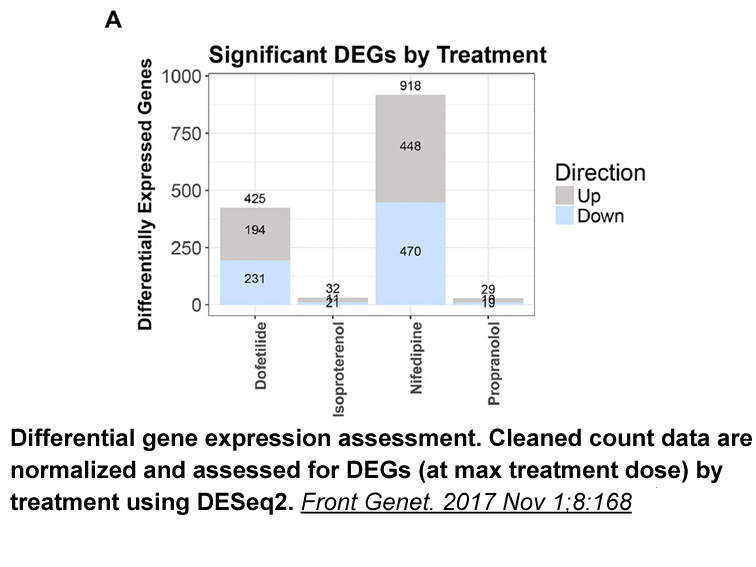
This SAR work led to the identification of compound 10r ((±)-2-[3-fluoro-4-[3-(hexylcarbamoyloxy)phenyl]phenyl]propanoic acid, ARN2508) [51] as a potent in vivo active inhibitor of intracellular FAAH and COX activities, which exerts profound anti-inflammatory effects in mouse models of IBD without c
Overall we partially confirmed our
2022-06-17

Overall, we partially confirmed our predictions, and, when compared to the other existing dataset exploring the interaction among CRFR1, FAAH, and anxiety, our data are somewhat confirmatory. Demers and colleagues (Demers et al., 2016) found one (protective) CRFR1 minor allele (rs110402) and the (le
br Conclusions In summary our results
2022-06-16
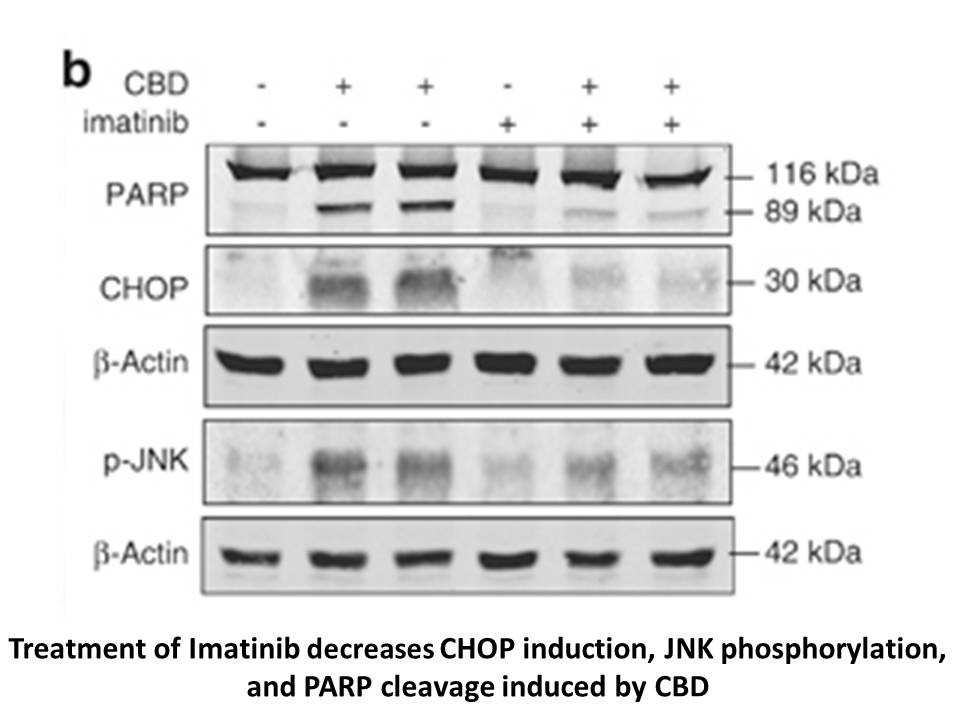
Conclusions In summary, our results demonstrate that in short term effect, TBT induced concentration-dependent vasorelaxation of HUA rings. Regarding the long term effects, exposure to a concentration of 100 μM TBT the human umbilical AM 281 have a dual effect, and a decrease of the 5-HT2A expres
HPgV coinfection has been associated with
2022-06-16
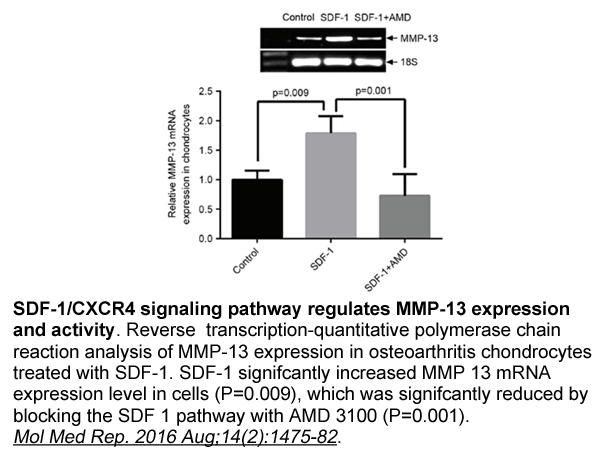
HPgV coinfection has been associated with reduced liver disease in HPgV/HCV/HIV triply infected patients (Barbosa Ade et al., 2009, Berzsenyi et al., 2007, Berzsenyi et al., 2009, Berzsenyi et al., 2011). It is possible that HCV NS3 protease inhibitors could inhibit HPgV replication diminishing its
8561 records 479/571 page Previous Next First page 上5页 476477478479480 下5页 Last page