Archives
- 2026-10
- 2026-09
- 2026-08
- 2026-07
- 2026-06
- 2026-05
- 2026-04
- 2026-03
- 2026-02
- 2026-01
- 2025-12
- 2025-11
- 2025-10
- 2025-09
- 2025-03
- 2025-02
- 2025-01
- 2024-12
- 2024-11
- 2024-10
- 2024-09
- 2024-08
- 2024-07
- 2024-06
- 2024-05
- 2024-04
- 2024-03
- 2024-02
- 2024-01
- 2023-12
- 2023-11
- 2023-10
- 2023-09
- 2023-08
- 2023-07
- 2023-06
- 2023-05
- 2023-04
- 2023-03
- 2023-02
- 2023-01
- 2022-12
- 2022-11
- 2022-10
- 2022-09
- 2022-08
- 2022-07
- 2022-06
- 2022-05
- 2022-04
- 2022-03
- 2022-02
- 2022-01
Several transgenic and knockout congenic mouse
2022-06-27
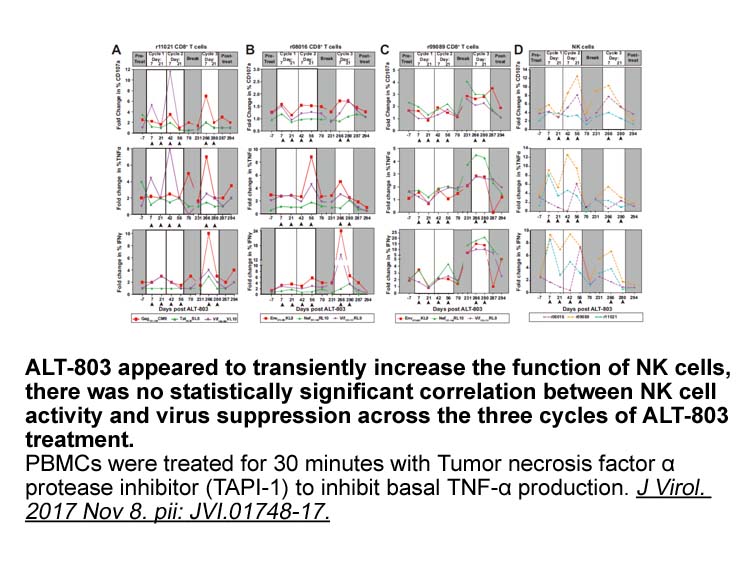
Several transgenic and knockout/congenic mouse models have been generated in order to assess the role of FFAR1 for proper insulin secretion and maintenance of glucose homeostasis. The results obtained with three different receptor knockout mouse models were not consistent. The protection against hig
It should be noted that
2022-06-27
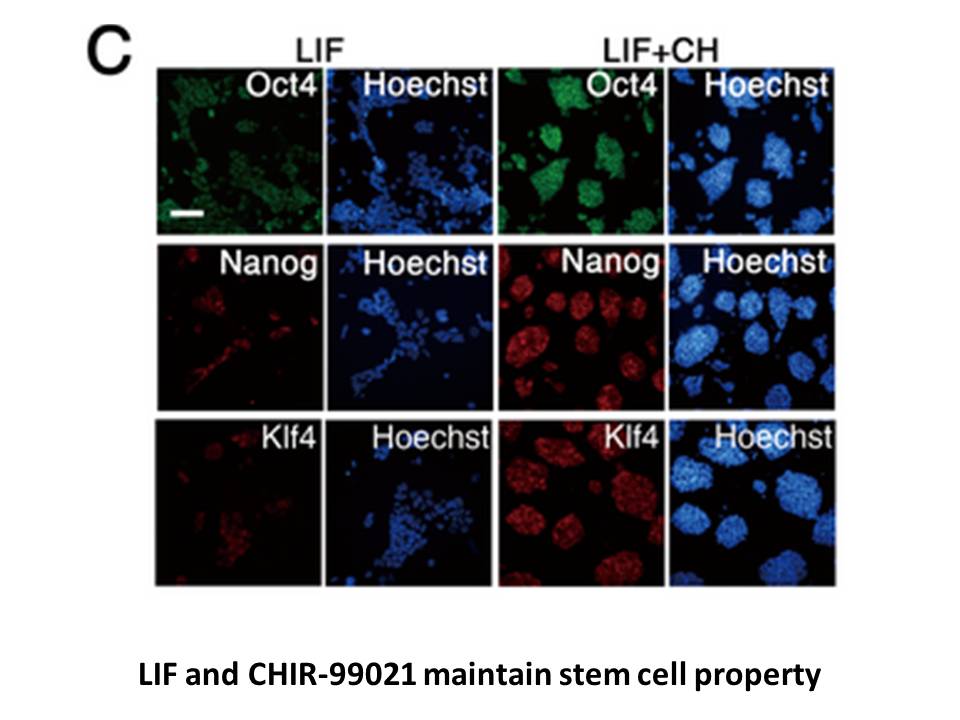
It should be noted that the current studies were performed in female rats. Although the oestrous cycle has been shown to modulate inflammatory processes in the periphery, data from our group has demonstrated that the phase of the oestrus cycle does not significantly alter TLR3-mediated neuroinflamma
Depletion of PI P e g by knockout
2022-06-27
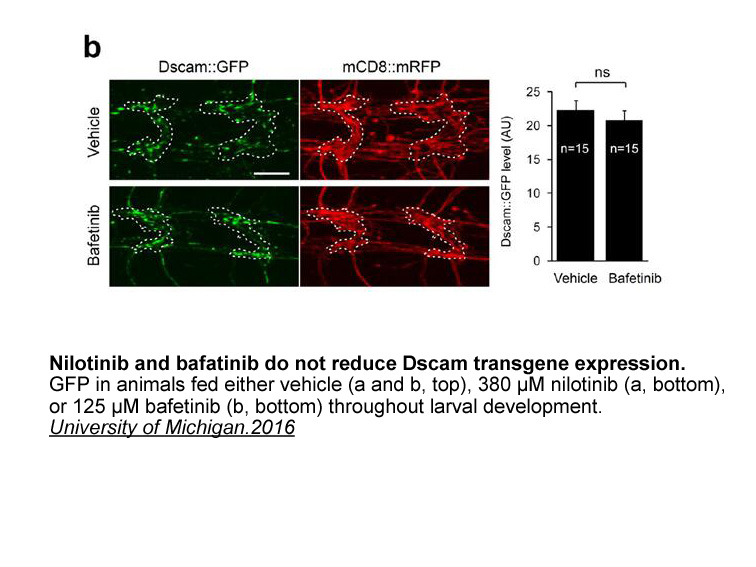
Depletion of PI(4,5)P2, e.g. by knockout of PIPKIγ, also profoundly inhibits SV endocytosis (Di Paolo et al., 2004). Conversely, loss of the PI(4,5)P2-metabolizing PI-phosphatase synaptojanin or its recruitor endophilin stalls SV recycling at the level of clathrin-coated vesicles (Bai et al., 2010,
This study has some limitations The RDS technique was
2022-06-27

This study has some limitations. The RDS technique was not effective for the population of MSM from Natal, as it has not reached the sample size initially calculated. Few seeds had enough waves to disperse the sample and make it closer to a probabilistic sample, even with all efforts from the resear
Parkinson s disease is another neurodegenerative disorder af
2022-06-27
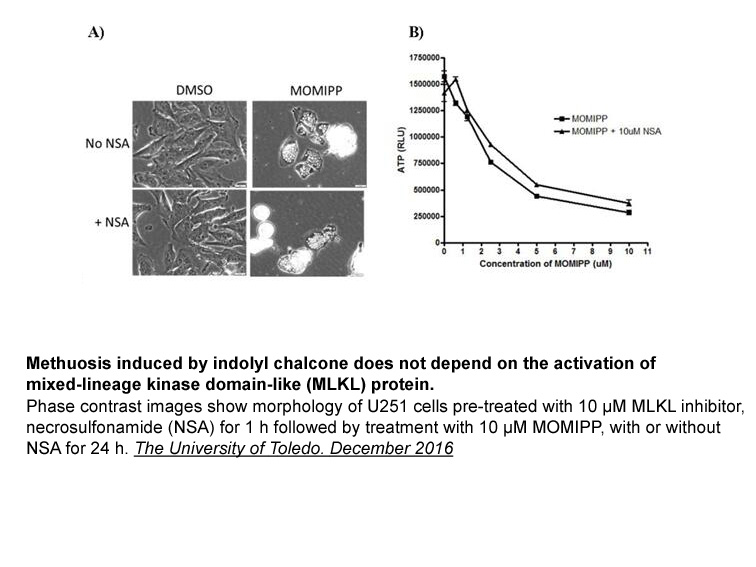
Parkinson's disease is another neurodegenerative disorder affecting H3Rs. The most common clinical symptoms of this disease are rigidity, bradykinesia, rest tremor, loss of postural reflexes, and gain impairment owing to progressive degeneration of the dopaminergic neurons in the nigro-striatal neur
In order to find better LODs LOQs and peak shape
2022-06-27
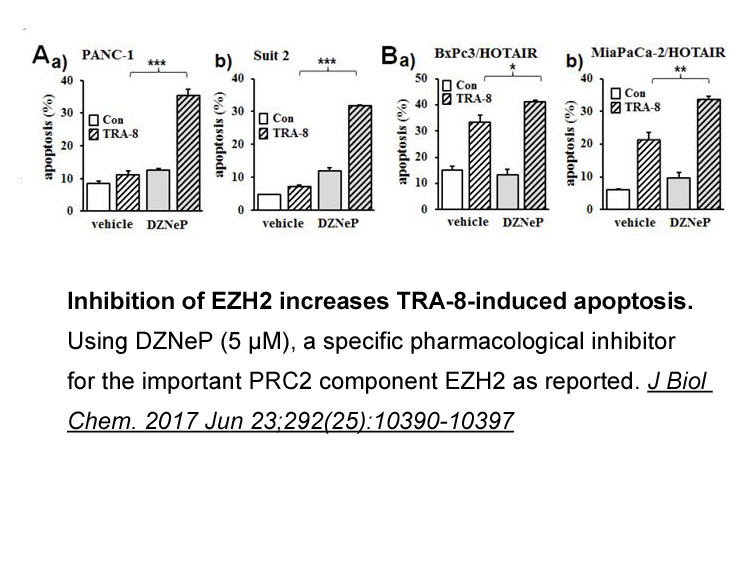
In order to find better LODs, LOQs and peak shape researchers used different derivatization agents along with dansyl chloride. However, these procedures required longtime for sample preparation, low recovery, the chance of contamination; products instability and some reagents were unable to derivati
br Effect http www apexbt
2022-06-27
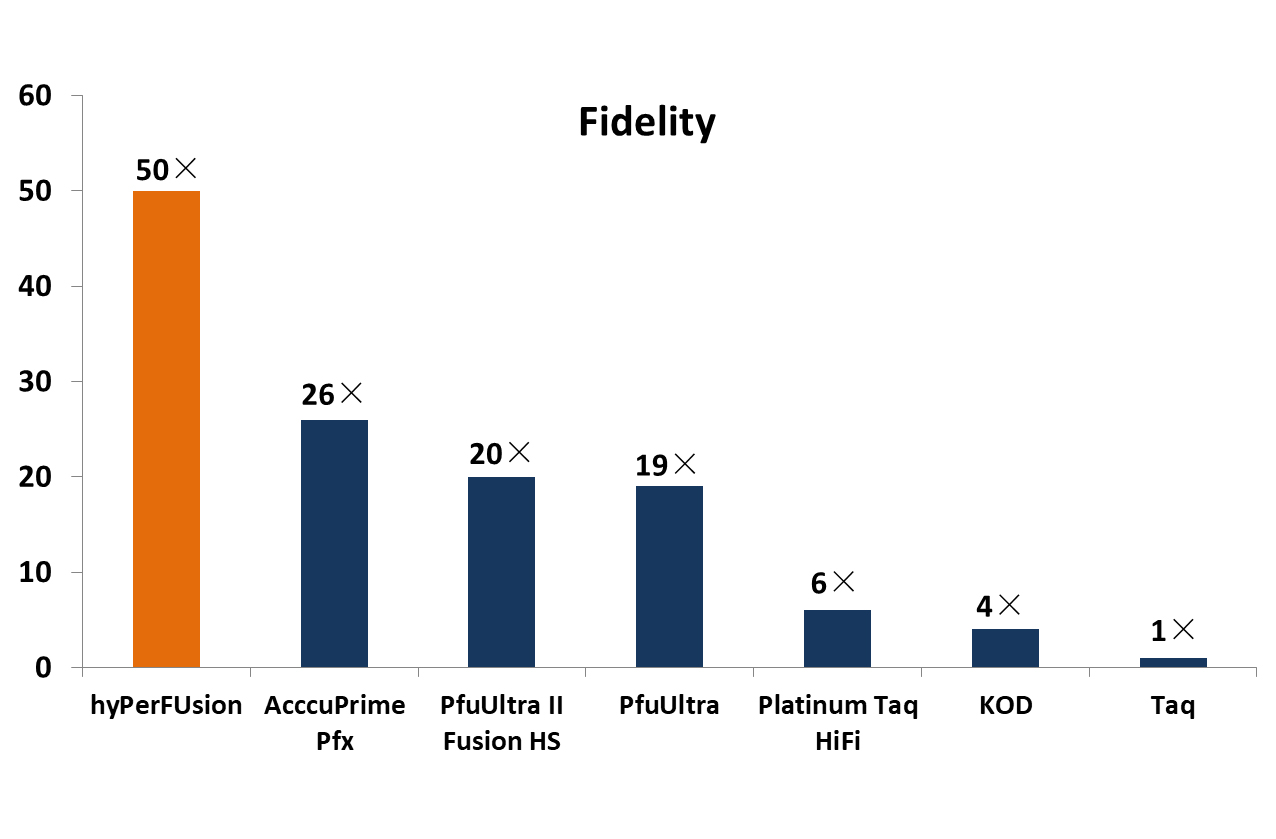
Effect of HDACi on Proteasomal Regulation of IκBα and p65 Levels At the transcriptional level, expression of CXCL8, as well as many other proinflammatory chemokines, is regulated by the transcription factor NFκB, which is constitutively activated in solid cancers, including OC, lung, and breast c
br Substrate Interactions Outside of the Catalytic
2022-06-27

Substrate Interactions Outside of the Catalytic Cleft As for other types of protein–protein interactions, kinase–substrate docking interactions can occur through large binding interfaces or through recognition of short linear sequence motifs. For kinases with a large number of substrates, the use
The ketone body receptor HCA is most likely not
2022-06-27
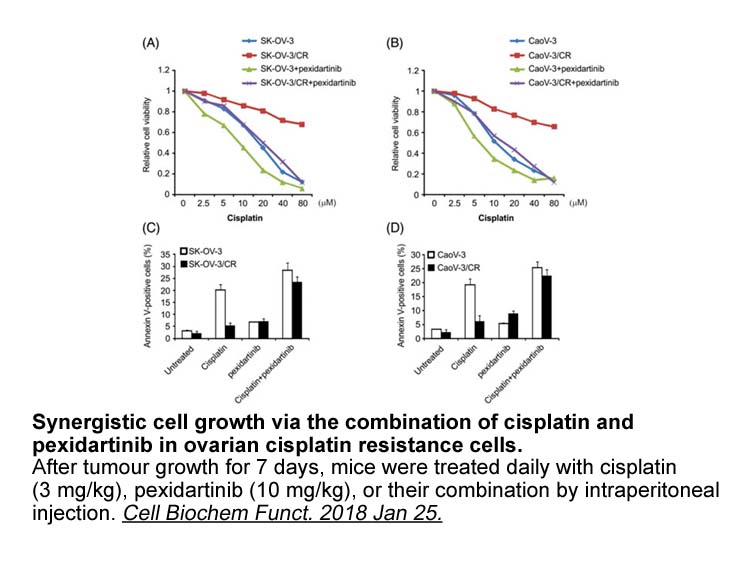
The ketone body receptor HCA2 is most likely not active under normal conditions, since local levels and plasma levels of ketone bodies such as β-HB are too low to activate the receptor. However, overnight fasting or prolonged starvation results in plasma levels of the ketone body in the millimolar r
The following are the supplementary data
2022-06-24
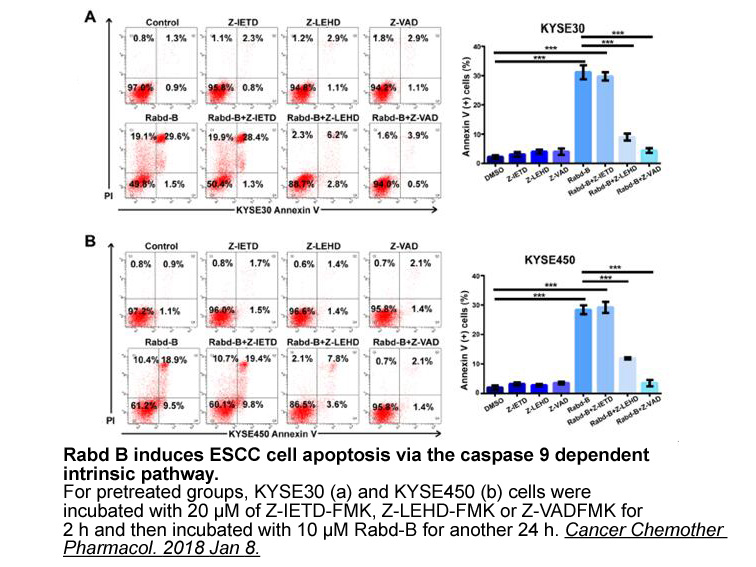
The following are the supplementary data related to this article. Author contribution Conflict of interest Introduction Thrombosis (arterial and venous) is a major cause of vascular obstructive diseases including myocardial infarction, cerebral infarction and pulmonary embolism. Glycoprote
To evaluate SLC A abundance after
2022-06-24
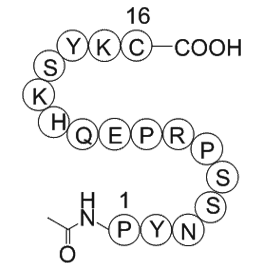
To evaluate SLC45A1 abundance after transfection, we performed western blots. Transfected COS-7 Just be aware were lysed and separated for membrane fraction. Equal amounts of proteins from membrane fractions were resolved by SDS-PAGE, transferred to a nitrocellulose filter, and immunoblotted with a
MAPK are involved in a
2022-06-24
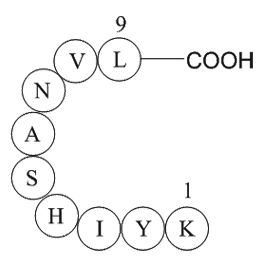
MAPK are involved in a large variety of solid and hematolgical neoplasms and, indeed, several components of the MAPK network have already been proposed as targets in cancer therapy, such as p38, JNK, ERK1/2, MEK1/2, RAF, RAS, DUSP1 and ERK5 [11], [12]. Among them, alteration of the RAS-RAF-MEK1/2-ER
KU14R br Materials and methods br Results br Discussion Alth
2022-06-24
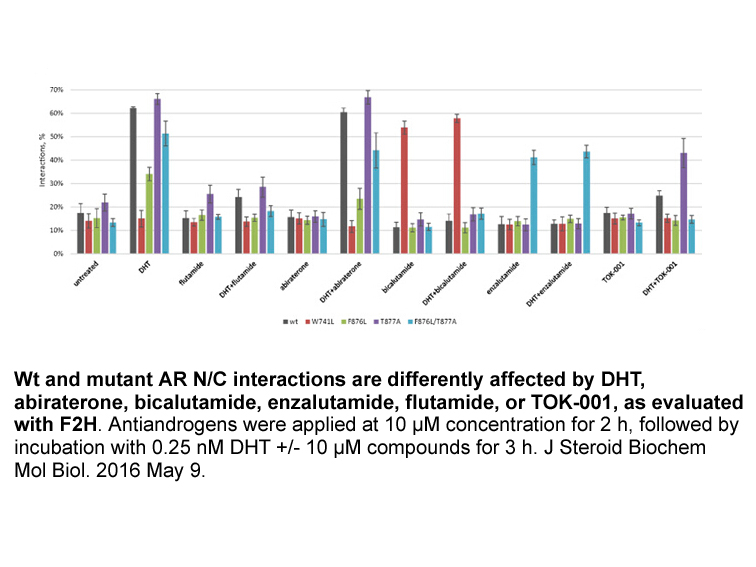
Materials and methods Results Discussion Although homologues of the β-galactosidase gene were known to exist in the Xenopus genome, and SA-β-gal activity has been detected in whole-mount Xenopus embryos by histochemical staining (Davaapil et al., 2017), no reports have been presented so far
The differences in metabolites fermentation characteristics
2022-06-24
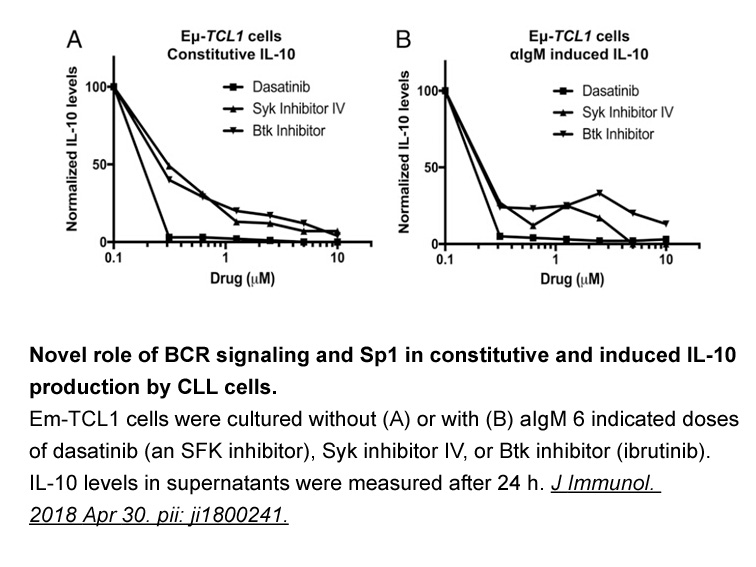
The differences in metabolites, fermentation characteristics in skim milk, and the use of lactose revealed by principal component analysis are shown in Figure 3C. Notably, D-XJ4–12 appeared to be isolated from the rest of the strains mainly due to its lack of ability to use lactose. Lactococcus lact
Developmental studies have reported that some
2022-06-24
Developmental studies have reported that some subunits of GABAA receptors like α2 and α3 are predominantly expressed during in-utero development, and then substituted for α1 around birth in the rat hippocampus (Brooks-Kayal et al., 2001; Fritschy et al., 1994; Golshani et al., 1997; Kapur and Macdon
8561 records 474/571 page Previous Next First page 上5页 471472473474475 下5页 Last page